
Free Resource
Connected TV Commercial Specifications and Production Tiers
What a streaming TV commercial has to be technically, by the platforms' own specifications, and what each production tier includes. No prices; the specification and the tiers are the point.
By Unreal Media GroupEditorial standardsReviewed
Planning guide Written by the studio from its own practice; where it states a view, the view is the studio's. Figures quoted from a platform are attributed to that platform's documentation under Sources and should be verified at upload.
See cinematic brand films and commercials the studio has made
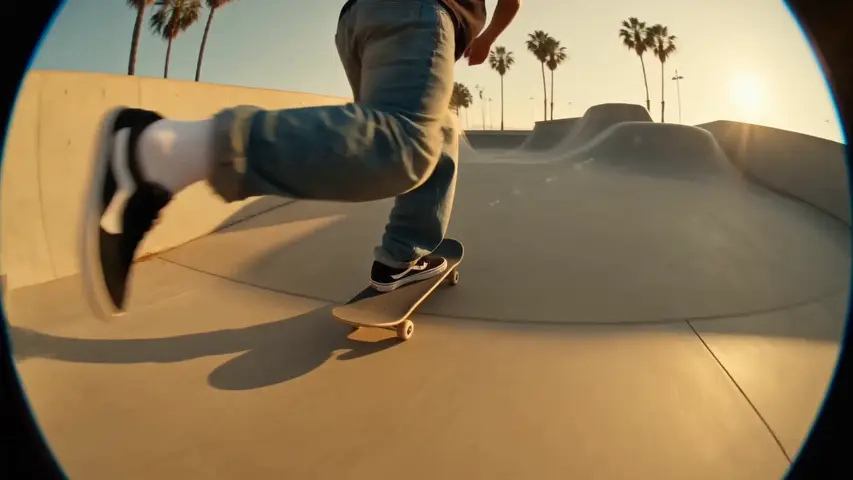
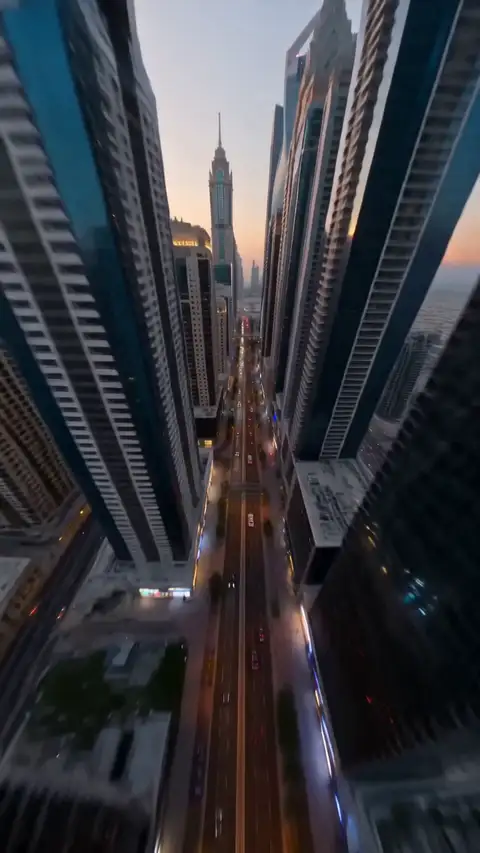
Fisheye Skate Session · 14s


A connected TV commercial is judged twice before a viewer sees it: once by a specification that rejects the file, and once by a living room that ignores the spot. This guide is about the first judgement and what it means for the second. It restates the technical specifications published by Google, Amazon and Roku for their streaming inventory, reads them as a production brief, and sets out what each tier of production includes so a brand can scope the work. It is the planning behind connected TV commercials at Unreal, produced without a shoot and shown on the cinematic work collection. Every figure is the platform's own on the review date; specifications move, and the media partner delivering the spot confirms the current sheet at trafficking.
What's included
- Specifications restated from Google, Amazon and Roku
- The specification read as a production brief
- Definitions: action safe, loudness, constant frame rate, VAST
- Why the response lives in the picture, not a button
- Four production tiers by what each includes
- The stages of a generated commercial to specification
What the platforms ask for
Three documents cover most of the streaming inventory a brand buys directly or through a demand-side platform: Google's non-skippable in-stream rules for YouTube on television, Amazon's specification for Streaming TV and Prime Video, and Roku's creative specification. The rows below restate them; the Sources list links them.
| Document | Lengths | Picture | Sound and delivery |
|---|---|---|---|
| Google Ads Help: non-skippable in-stream ads | Bumper up to 6 seconds; standard non-skippable 7 to 15 seconds; a 16 to 30 second unit shown on connected TV | Served through Google Ads to YouTube's standard video specifications | Trafficked in Google Ads; no separate tag delivery |
| Amazon Ads: Streaming TV and Prime Video ad specs | 15, 30, 45 or 60 seconds for Prime Video in the United States; other markets and third-party apps list additional lengths | 16:9; minimum frame size 1920x1080; constant frame rate at 23.976 (recommended), 24, 25 or 29.97; H.264, MPEG-2 or MPEG-4; pillarbox and letterbox formatting strongly discouraged; action-safe framing | AAC, at least two channels, 44.1 or 48 kHz, minimum 192 kbps; non-interactive placements must not carry a call to action that invites a click; in the locale's primary language |
| Roku Ads: video ad creative specifications | 6 to 92 seconds accepted | 16:9; 23.98, 25 or 29.97 frames per second; minimum 6 Mbps; .mov or .mp4 | PCM preferred or AAC; two-channel stereo; 48 kHz; 16- or 24-bit; a technical check on upload followed by a manual review |
Read the specification as a production brief
Each line in a specification is a decision made before the first frame. A 16:9 requirement with letterboxing discouraged means the piece is composed for 16:9 natively, not adapted from a vertical or square master. A constant frame rate means the edit and every generated shot are conformed to one rate before the mix. A minimum bitrate and a codec mean a clean, uncompressed master is kept and the delivery file is an export from it, not a re-encode of an export. Action-safe framing means the brand, the product and any on-screen text sit inside the area every television shows, because overscan on the set is not something the platform corrects. Loudness is the line most often missed: the platforms and the broadcast standards they follow set loudness targets, and a mix measured against the target the delivering platform names is part of delivery, not a courtesy.
- Action safe
- The central area of the 16:9 frame that every television is expected to display. Anything the viewer must see, including the brand and the product, is composed inside it.
- Title safe
- A smaller area inside action safe where on-screen text is placed so that no set crops it. The end card, the address and any legal line are composed inside it.
- Constant frame rate
- A file whose frames arrive at one unvarying interval. Streaming platforms require it; a piece assembled from sources at different rates is conformed to one before export.
- Loudness
- The measured perceived volume of the whole spot, as distinct from its peak level. Streaming platforms and broadcasters set a target and reject or re-level mixes that miss it; the delivered mix is measured against the target the platform names.
- Pillarbox and letterbox
- Black bars at the sides or top and bottom of the frame, produced when a piece of another shape is placed in 16:9. Discouraged or rejected by the streaming specifications; the remedy is to compose for 16:9 rather than pad to it.
- VAST tag
- The industry-standard XML wrapper a video ad travels in when it is served through a demand-side platform rather than uploaded to one publisher. The creative inside it still has to meet each publisher's specification.
No click, so the creative carries the response
On a television there is no button. Amazon's specification says a non-interactive streaming placement must not include a call to action that invites a click; the other platforms' viewers simply have nothing to click. A commercial written for the feed, which ends by pointing at a button that is not there, wastes its last seconds. The response has to live in the piece: the name said and shown, the product in a frame the viewer can picture again, and where a response is wanted, an address or a code that can be read from the sofa and remembered past the next programme. That is also why the connected TV cut of a campaign is usually the fullest telling of the concept, and why it is planned as the master from which shorter and vertical cuts are taken, as set out in YouTube ad formats and the skip point.
Production tiers, without prices
What a connected TV engagement includes depends on what exists already and how many versions the media plan needs. The tiers below describe scope, not cost; the price of any of them depends on the brief and is stated in a written scope before production begins. None of the tiers carries a delivery time, because that too is set per scope.
| Tier | What it includes | When it fits |
|---|---|---|
| Conform and re-version | An existing commercial or brand film conformed to the streaming specification: 16:9 composition check, frame-rate conform, loudness-measured mix, action-safe review, the required lengths cut from the existing edit, delivery files per platform | The brand has a finished spot that was made for another channel and needs it to pass the specification |
| Single spot to specification | One concept produced for connected TV from a brief: script, art direction, generated or filmed frames per the scope, edit, grade, mix, reference review, one master length and its cut-downs | A launch or a seasonal campaign with one message and one market |
| Campaign set | The single spot plus the planned family of cuts: the master, the standard non-skippable length, the bumper, and the vertical versions for Shorts, Reels and TikTok, all from one concept and one asset base | A campaign that runs across streaming, YouTube and the vertical feeds and wants one idea recognisable everywhere |
| Campaign set with versioning | The campaign set produced in versions: by product or range, by market or language (voice, on-screen text, address), or by offer, each version passing the same specification | A multi-product range, a multi-market launch, or a retailer or franchise with local variants |
How Unreal produces a connected TV commercial without a shoot
The stages are the ones a filmed commercial runs, with the frames coming from generation rather than a camera: a brief that names the product, the claim, the lengths and the platforms; an art-direction document that says what every frame should look like; frames generated to that document and reviewed against the product references; an edit conformed to one frame rate; a grade and a loudness-measured mix; a review of logo, label, proportion and material against the approved references; and delivery files exported per platform specification. What generation changes and what it does not is set out stage by stage in AI vs traditional commercial production; the elements of a brief that still need a camera are in what AI video can and cannot do. Synthetic performers, where a spot uses them, are disclosed as synthetic, and no real person's likeness is created without a written rights agreement.
What this guide does not tell you
It does not price any tier; a written scope does that for a specific brief. It does not state a delivery time. It does not say that a streaming commercial will perform, and it publishes no result from any spot: Unreal never guarantees advertising performance. And it does not replace the platforms' documents: the figures are theirs on the review date, and the delivering media partner confirms the current specification at trafficking.
Sources
- Non-skippable in-stream ads, Google Ads Help.
- Streaming TV and Prime Video ad specs, Amazon Ads.
- Video ad creative specifications, Roku Ads Manager Help.
In practice
The service this guide supports: connected TV commercials.
More free resources
- Meta Ad Creative Specs: Placements, Ratios and Safe Zones
- AI vs Traditional Commercial Production: What Changes
- How to Iterate a Winning Ad: A Creative Iteration Framework
- YouTube Ad Formats and the Skip Point: Creative Guide
- What AI Video Can and Cannot Do for an Ad Brief
- AI Ad Disclosure Requirements: Meta, TikTok, YouTube
Frequently asked questions
How long should a connected TV commercial be?
The lengths the platforms list: Google's connected TV non-skippable unit is 16 to 30 seconds, with standard non-skippable at 7 to 15 and bumpers up to 6; Amazon lists 15, 30, 45 or 60 seconds for Prime Video in the United States; Roku accepts 6 to 92 seconds. Fifteen and thirty are the lengths most streaming inventory is planned around. Confirm the current sheet with the delivering platform.
What aspect ratio and resolution does a CTV ad need?
16:9 on all three specifications this guide restates. Amazon states a minimum frame size of 1920x1080 and discourages pillarbox or letterbox formatting; Roku requires 16:9. Compose for 16:9 natively rather than padding another shape.
Can a CTV ad have a clickable call to action?
Amazon's specification says non-interactive streaming placements must not include call-to-action elements that encourage clicking, and on a television there is nothing to click in any case. The response has to be carried by the name, the product and, where wanted, a spoken or on-screen address.
Do I need a separate cut for YouTube on a television?
Google's 16 to 30 second non-skippable unit on connected TV can take the 16:9 master. The bumper and the standard non-skippable length are separate cuts planned from the same concept, as set out in the YouTube formats guide.
Can a connected TV commercial be produced without a shoot?
Yes, for briefs whose frames do not depend on a real performer's identity, a recognisable real location or a documented demonstration; those elements are filmed or supplied and combined with generated frames. The result goes through the same edit, grade, loudness-measured mix, reference review and per-platform export as a filmed spot.
Start with one scoped batch.
Book a free 15-minute discovery call. We'll map the exact plan for your brand — no pitch deck, no fluff.