
Free Resource
AI vs Traditional Commercial Production: What Actually Changes
A step-by-step comparison of a filmed commercial and a generated one, written to help a brand decide which its brief needs.
Planning guide Written by the studio from its own practice; where it states a view, the view is the studio's. It cites no third-party research and attributes no performance figures to the studio.
See cinematic brand films and commercials the studio has made
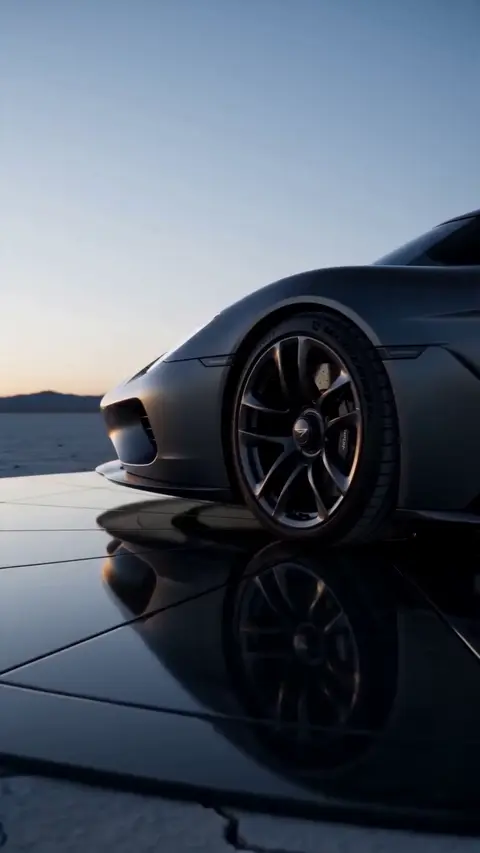
Auto Hero · 12s
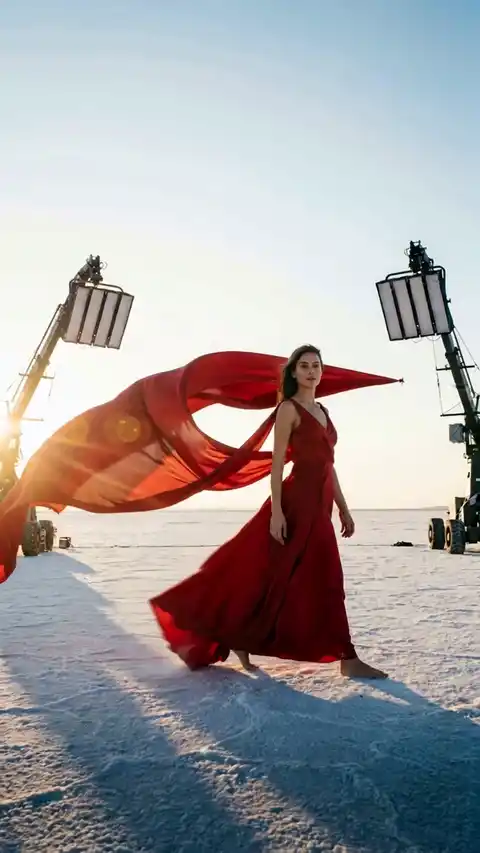

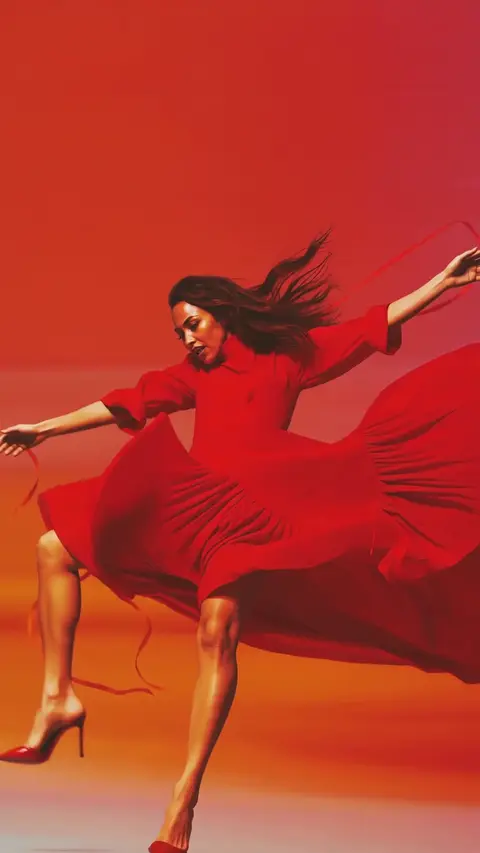
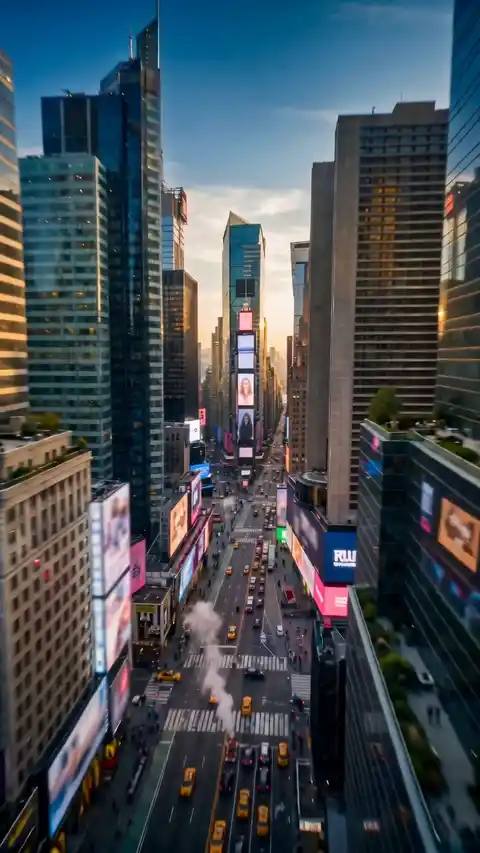
A commercial is a script, a look, a set of frames, a cut, a mix and a grade, whichever way it is made. What generative production changes is where the frames come from and what that removes from the plan. This guide walks the two methods side by side, without ranking them: some briefs need a camera, and the right answer depends on the product, the claim and the placement. Unreal's own method is described on the AI commercial production page and shown on the cinematic work collection.
What's included
- The same brief, two production plans
- Pre-production: bookings versus references
- Production: capture day versus iterative frames
- Post-production, plus the reference review
- Rights, synthetic performers and disclosure
- Which briefs need a camera
Side by side
The same stages, in the order a production runs them, with what each method needs at that stage. Neither column is a recommendation; the sections below say which briefs suit which.
| Stage | Filmed production | Generative production |
|---|---|---|
| The brief | Product, audience, placement, length and claim, turned into a shooting plan: where, when and with whom. | The same brief, turned into an art-direction document: what every frame should look like. |
| Pre-production | Location, crew, cast, equipment, permits and insurance are booked around a locked shoot date. | References, a look-development pass and a storyboard that resembles the finished frames. |
| Approvals | Script and look are signed off on a storyboard and a mood board before the shoot. | Script and look are signed off on frames that resemble the result before production. |
| Production | Frames are captured in a window of hours; the coverage decisions made that day are final. | Frames are produced iteratively against the storyboard and can be re-directed as the edit takes shape. |
| Who makes the craft decisions | A director's judgment about composition, performance, light and pacing. | The same judgment, by a person; the machine renders frames and does not choose or approve them. |
| Post-production | Edit, score, sound design, colour and finishing. | The same edit, score, sound design, colour and finishing, plus a review of product, labels, proportions and materials against the approved references. |
| Rights and disclosure | Talent, music, location and third-party marks are cleared. | Music and marks are cleared; performers are synthetic and disclosed as synthetic; a real likeness is a separate written rights engagement. |
| Briefs it suits | A real performer's identity, a recognisable real location, or a demonstration where the photograph is part of the claim. | A world, a mood, a product hero, a sequence impractical to stage, or a set of variations for testing. |
The brief
Both methods start with the same brief: the product, the audience, the placement, the length and the claim. A filmed production then turns it into a shooting plan; a generative one turns it into an art-direction document. The difference shows up in the questions asked next. A shoot asks where, when and with whom. A generated spot asks what every frame should look like, because there is no location to discover on the day.
Pre-production
A filmed commercial books a location, a crew, a cast, equipment, permits and insurance, and locks a shoot date that everything else depends on. A generated commercial replaces that list with references, a look-development pass and a storyboard that is closer to the finished frames than a filmed board usually is. The approvals happen in the same place in both: script and look are signed off before production. In a generated workflow the look is signed off on frames that resemble the result, not on a mood board.
Production
On a shoot, the frames are captured in a window of hours and the coverage decisions made that day are final. In a generative workflow, frames are produced iteratively against the storyboard and can be re-directed as the edit takes shape. The craft sits in the same hands: a director's judgment about composition, performance, light and pacing. What changes is the cost of asking for one more angle, which is a production decision rather than a second shoot day.
Post-production
Editing, score, sound design, colour and finishing are the same discipline in both methods, applied to different source material. Generated frames go through the same selection, cut, grade and mix as footage, plus a review that filmed footage does not need: a check of the product, labels, proportions and materials against the approved references, because a generated frame can be plausible and wrong. Unreal documents that review in the scope and resolves or records any limitation before delivery.
Rights and disclosure
A filmed commercial clears talent, music, location and any third-party marks. A generated one clears the same music and marks, and adds two things: performers are synthetic and disclosed as synthetic, and a real person's likeness is a separate, explicit rights engagement agreed in writing. Platform and broadcaster rules on AI-generated material vary and change, so the disclosure requirement for a brief is recorded in the scope and applied at delivery.
Which briefs suit which method
A brief built on a real performer's identity, a real location the audience must recognise, or a documented product demonstration where a photograph is part of the claim, is a filmed brief. A brief built on a world, a mood, a product hero, a sequence that would be impractical to stage, or a set of variations for testing, suits generative production. Many briefs are mixed, and the scope names the production method for each element rather than the page deciding it in advance.
What a brand should ask either way
Who makes the craft decisions and who approves them; what the deliverables are and in which formats; what the review covers before delivery; how rights, disclosure and third-party assets are handled; and what the written scope includes. Those questions have answers in both methods. Unreal's are on how it works, the line items a scope should name are listed in what is included in AI video production services, and a 15-minute discovery call is where a specific brief gets its answer.
In practice
The service this guide supports: AI commercial production.
Frequently asked questions
Is an AI commercial the same quality as a filmed one?
It is a different production method with the same craft roles: script, direction, edit, score, grade. Quality depends on the brief, the direction and the finishing in either method, and the acceptance criteria for a piece are defined in the approved scope rather than by the method.
When does a commercial still need a shoot?
When the brief depends on a real performer's identity, a recognisable real location, or a documented demonstration where the photograph itself is part of the claim. Mixed briefs are common, and the scope names the method for each element.
How is a generated commercial checked before delivery?
Through the same edit, grade and mix as footage, plus a review of the product, labels, proportions and materials against the approved references. Any remaining limitation is resolved or documented before delivery.
Are AI-generated commercials disclosed?
Synthetic performers in Unreal's work are disclosed as synthetic. Broadcaster and platform rules on AI-generated material vary and change; the requirement that applies to a brief is recorded in the scope.
Start with one scoped batch.
Book a free 15-minute discovery call. We'll map the exact plan for your brand — no pitch deck, no fluff.