
Service
An AI Advertising Agency for Video, UGC and Image Ad Creative
Cinematic spots, creator-style UGC, product films and image ads, produced with generative tools and directed by people, under a written scope with a fixed price.
15 minutes with a producer. You leave with a written scope naming the formats, a delivery date and a fixed price. Prefer to write? Send a one-minute brief.
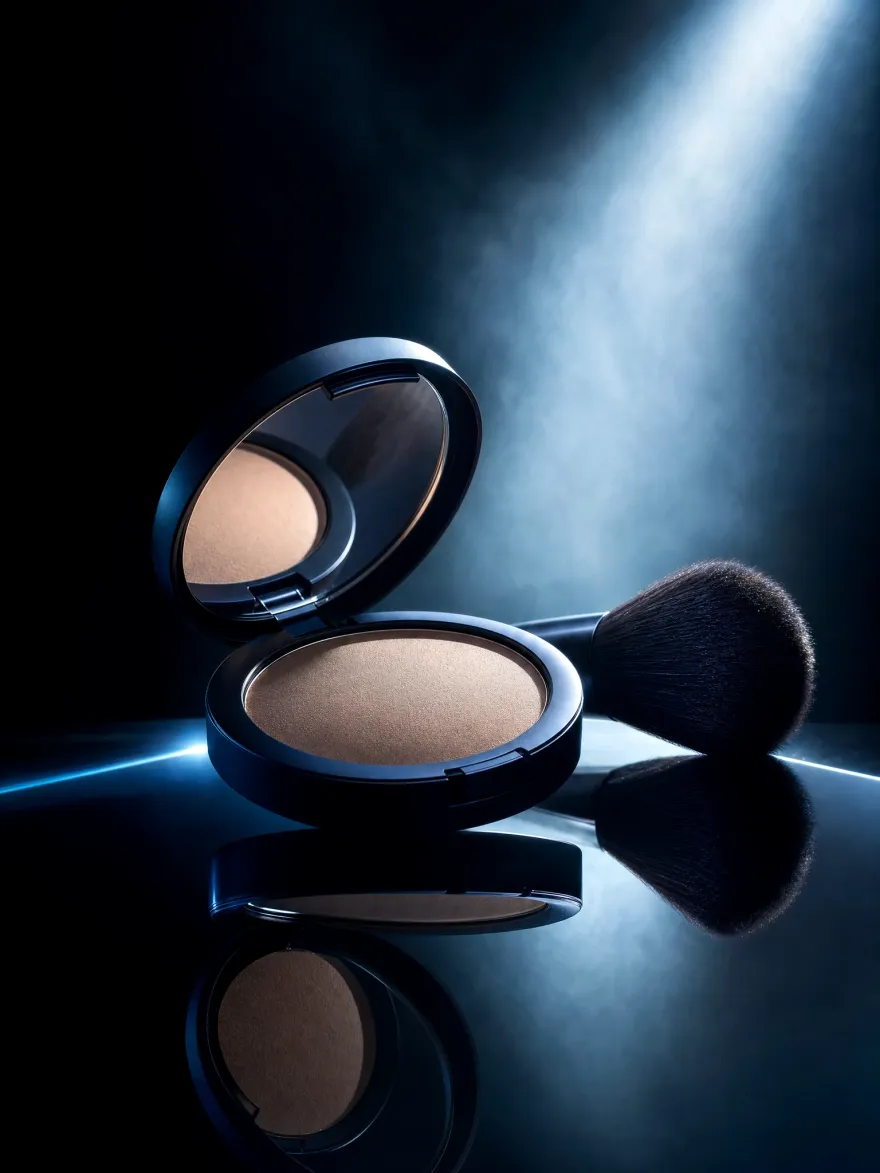
Recent frames · none of it shot
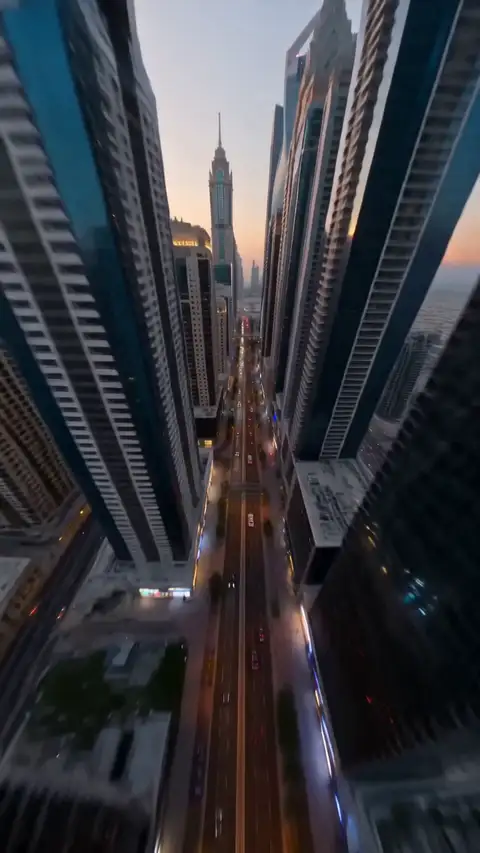
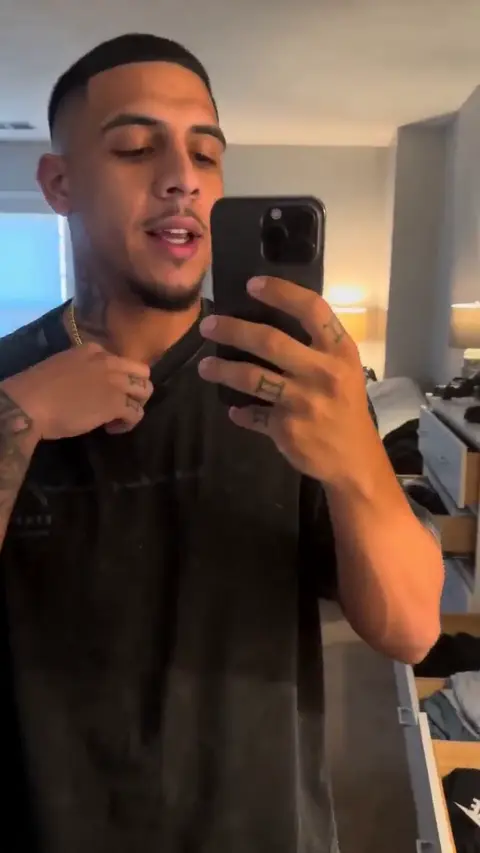

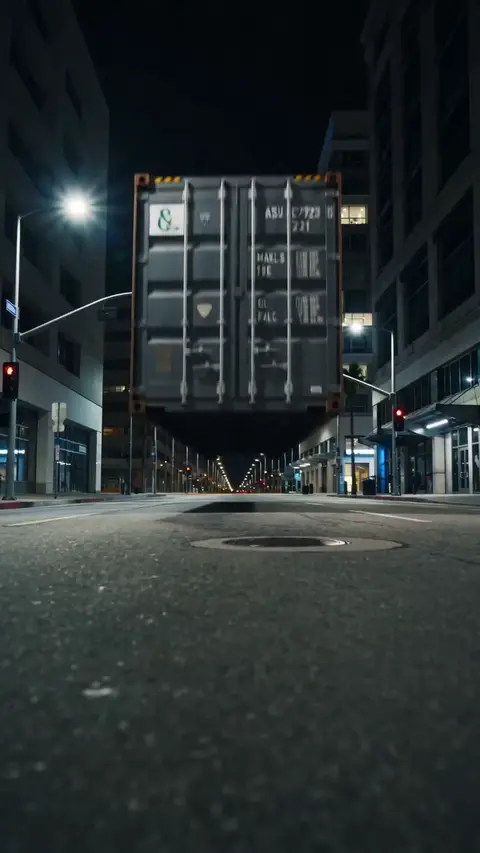

Unreal Media Group is an AI advertising agency in the production sense of the term, and an AI-native creative agency in the way it works: it concepts, writes, generates, edits and finishes ad creative for paid social, online video and connected TV without a shoot, then hands finished files to whoever runs the brand's media. It never manages ad accounts, budgets or campaigns.
What's included
- Video, UGC-style, product and image ad creative from one brief
- Creative for Meta, TikTok, YouTube, CTV and display placements
- Concept, script and art direction written by people
- Synthetic performers disclosed as synthetic
- Written scope, delivery date and fixed price before production
- Finished files handed to the team that runs the media
- No media buying, no ad-account access, no performance guarantees
What an AI advertising agency does
The work starts where a traditional agency's does: a brief, a concept, a script and an art direction. The difference is production. The camera, crew, cast and location are simulated; frames are generated, then treated like footage: selected, cut, scored, graded, captioned and sized for each placement. Every craft decision is made by a person, and the deliverables, review steps and rights are named in the approved scope before anything is produced.
What it deliberately does not do
Unreal is a production studio, not a media agency. It does not buy media, set targeting, hold budget or log in to an ad account. Where reporting access is part of an engagement it is read-only and revocable. Unreal never guarantees advertising performance; measurement depends on the campaign, the media plan and the data the brand's team can see.
The four formats
Cinematic brand films with a story arc, score and grade; creator ads and UGC, where performers are synthetic by default and disclosed as synthetic; product films built on macro detail and studio light; and image ads for the feed, the site and display. A brief can call for one format or all four, and the scope names which.
Where the creative runs
Meta placements on Facebook and Instagram, TikTok, YouTube including Shorts, connected TV and streaming, display, and product detail pages. Aspect ratios, lengths, caption tracks and delivery specifications are set per placement in the scope, so the media team receives files sized for where they will run.
AI advertising agency or AI ad tool
An AI ad tool is software the brand's team operates: it writes the prompts, judges the output and formats the result. An AI advertising agency takes those responsibilities on as a managed team with a creative director's judgment attached. The scope defines exactly which responsibilities Unreal carries for the engagement.
How an engagement starts
A 15-minute discovery call, then a written scope naming the formats, the variations, a delivery date and a fixed price. Nothing is produced before that is approved, and no line item appears later that was not in it. Brands already running paid media can also be invited into the Performance Partnership, where Unreal produces at its own cost and is paid on the spend the brand puts behind work that performs.
How the work is produced
Discovery call
A 15-minute call establishes the brand, the placements the media team will run, the formats wanted and what already exists. Nothing is quoted from a form.
Written scope
The studio writes the scope: formats, the number of variations, the review steps, the rights, a delivery date and a fixed price. Production starts only after the brand approves it.
Concept, script and art direction
People write the concept and the script and set the art direction: the casting of disclosed synthetic performers, wardrobe, location, light and the visual references every frame must match.
Generation and selection
Frames, voices and scenes are generated against that direction and treated as footage. A director keeps the takes that hold the brand and discards the rest.
Edit, sound, grade and versions
The selected material is cut, scored, graded and captioned, then sized to each placement the scope names.
Review and hand-off
The brand reviews through a proofing link at the steps the scope names. Finished files go to whoever runs the media. The studio never logs in to an ad account.
How an engagement works
One scoped batch at a time.
- Start
- A 15-minute discovery call, then a written scope naming the formats, a delivery date and a fixed price before anything is produced.
- Review
- A first cut, plus one revision round included. The review checks product, claims and brand fit against your approved references.
- Hand-off
- Finished, captioned files handed to the team that runs your media. Unreal never logs in to your ad account and never guarantees advertising performance.
- Rights and disclosure
- Synthetic performers are disclosed as synthetic; no real person's likeness without a written rights agreement. Usage rights are documented in the engagement agreement.
Frequently asked questions
What is an AI advertising agency?
An AI advertising agency produces advertising creative with generative tools inside a managed, directed workflow: people write the concept and script, art-direct the frames, and edit, score and grade the result. Unreal Media Group is one in the production sense: it makes the creative and does not buy or manage media.
Is the creative made entirely with AI?
The frames, voices and scenes are generated. The concept, direction, editing, scoring, grading and every approval are made by people. The production method for a given brief, including any filmed or licensed elements, is defined in the approved scope.
Do you run the ads or manage our ad account?
No. Unreal makes the creative and hands finished files to whoever runs your media. It never touches ad accounts, budgets or campaigns. Where reporting access is part of an engagement it is read-only and revocable by you.
How much does an AI advertising agency cost?
Pricing is scope-based: sized to the formats, variations, rights and production requirements of the brief, and fixed in writing before production. Book a 15-minute discovery call for a project-specific scope.
Are AI-generated ads disclosed as AI?
Synthetic performers in Unreal's work are disclosed as synthetic. Any real person's likeness is a separate, explicit rights engagement agreed in writing. Platform labelling requirements for a brief are recorded in the approved scope.
Which platforms do you make advertising creative for?
Facebook and Instagram, TikTok, YouTube and Shorts, connected TV and streaming, display and product detail pages. Each placement's aspect ratio, length and delivery specification is set in the scope.
Is an AI creative agency the same as an AI advertising agency?
In practice the terms describe the same offer: a studio that produces advertising creative with generative tools under human direction. Unreal uses both. The distinction that matters is production versus media: Unreal produces the creative and leaves media buying to the brand's team.
What is the difference between an AI-native agency and an AI-augmented agency?
An AI-augmented agency adds generative tools to a workflow built around shoots, crews and retainers. An AI-native agency was built for production without a shoot: its process, its scope and its roles assume the frames are generated and the craft is in direction, selection and finishing. Unreal Media Group is the second kind, which is why it can put a written scope and a fixed price on creative that a traditional workflow would send to a crew.
Will AI replace creative agencies?
It is replacing the parts of production that were logistics: crews, locations, casting calls and reshoots. It is not replacing the judgment about what an ad should say, how it should look and whether a frame is good enough to publish. Unreal keeps people in those roles and generates the rest.
Start with one scoped batch.
Book a 15-minute discovery call. You leave with a written scope naming the formats, a delivery date and a fixed price. No pitch deck required.
Related services
Pair this with another Unreal service
An AI Video Ads Agency for Paid Social, UGC and Brand Films
AI video, disclosed AI UGC, and ad creative produced under approved project plans for US brands.
ExplorePerformance Creative, Produced as Test Batches
Hook, angle and format variations planned as a testing structure, produced under an approved scope, and delivered to the team that runs the media.
ExploreAn AI UGC Agency for Creator-Style Ads, Disclosed as AI
AI UGC ads, content, and video produced under an approved scope, with usage rights defined in the engagement agreement.
ExploreAI Commercial Production Company: Spots and Brand Films Without a Shoot
Script, generative production, edit, sound, and delivery defined in one approved plan.
Explore