
Service
AI Product Films for Product Pages, Paid Social and Retargeting
Product-led motion built on macro detail and studio light, produced with generative tools, directed by people, and checked against the real product before delivery.
15 minutes with a producer. You leave with a written scope naming the formats, a delivery date and a fixed price. Prefer to write? Send a one-minute brief.
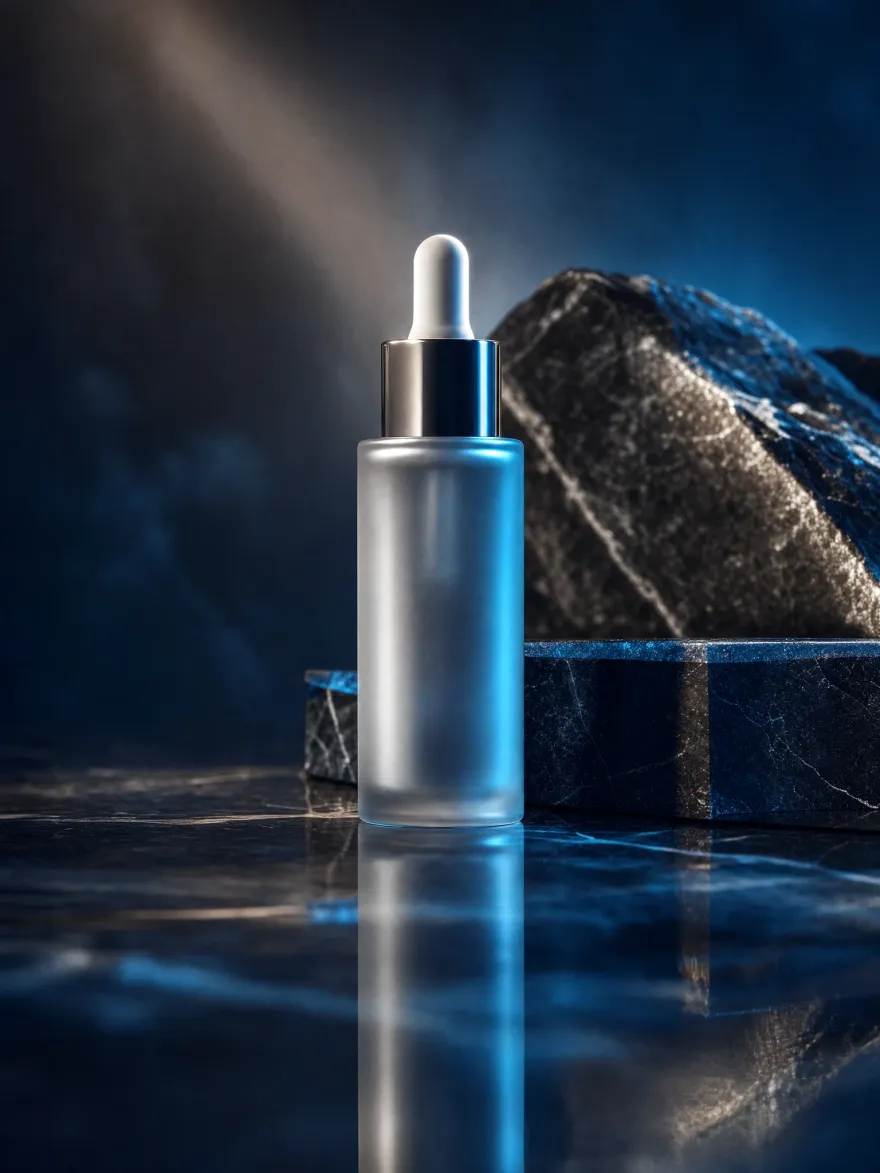
Recent frames · none of it shot
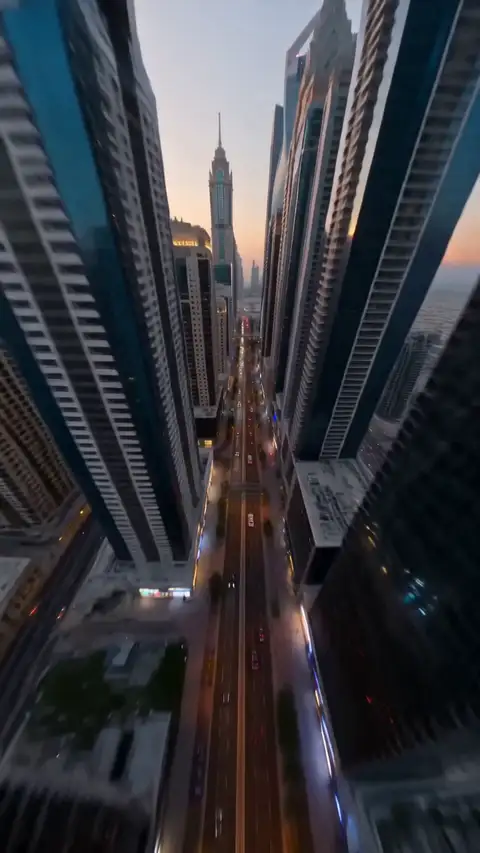
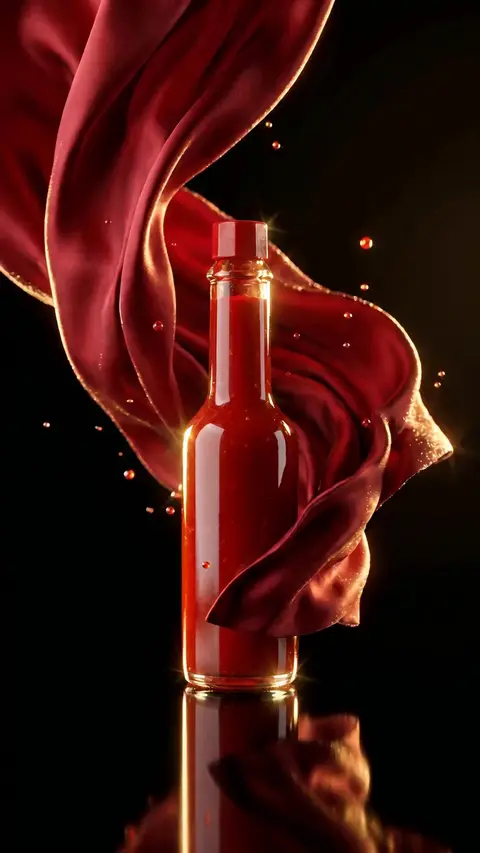
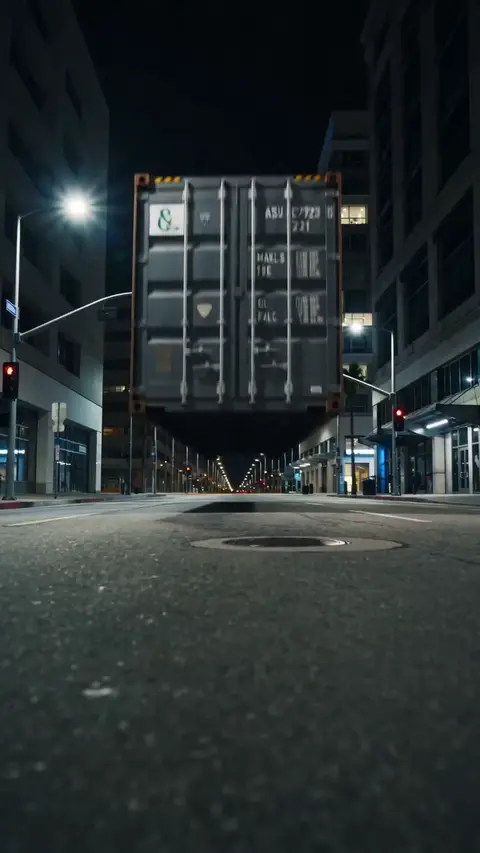
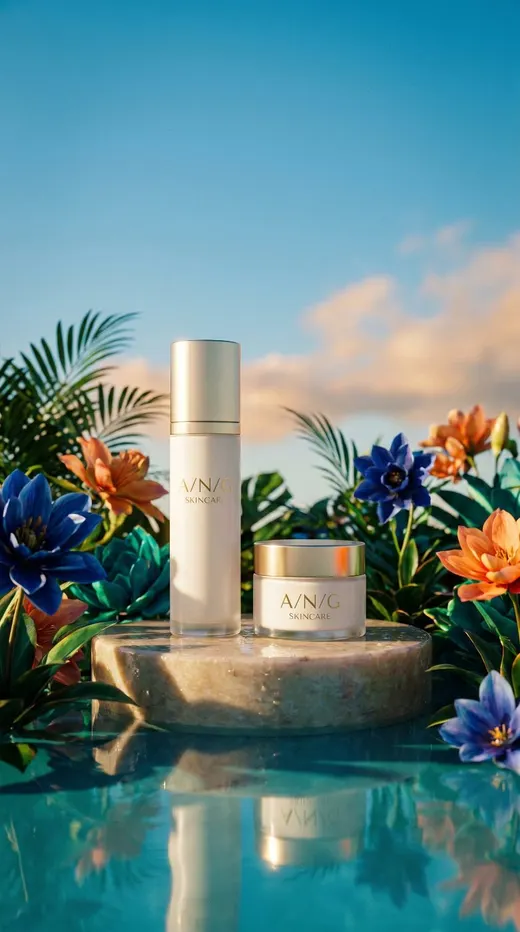
A product film is a short, product-led piece of motion: the object, the light and the detail, with no performer to carry it. It runs where a product is sold and re-sold, on the product page, in the paid feed, in retargeting and in marketplace video slots. Unreal Media Group produces product films with generative tools under human art direction, from approved references, without a set, a camera or a shoot day, and checks every finished frame against the real product before it is delivered.
What's included
- Hero loops for product pages and galleries
- Feature and detail films for the paid feed
- In-use and in-context pieces without a performer
- Variant and colour versions from one set of references
- Cut to loop, read silent and sit inside each placement's safe area
- Every frame checked against the real product before delivery
- Concept, art direction and selection by people
- No media buying and no listing management
What a product film is for
The product page, where a loop beside the gallery shows the thing turning, opening or pouring. The paid feed, where a product-led piece carries a launch, a variant or an offer without a creator in frame. Retargeting, where a visitor who has seen the product once is shown the detail that decides. Marketplace and retail video slots, where the listing allows motion. A connected TV product spot, when the brief is a television break rather than a feed; that work sits with the cinematic collection.
What the frames have to get right
A product film is judged on whether it is the product. Generative frames can drift on exactly the details a buyer checks, so the accuracy review is the production step that matters most. Before delivery each finished frame is checked against the approved references for the points below, and any limitation that cannot be resolved is documented rather than shipped.
| Element | Checked against | What fails it |
|---|---|---|
| Label, logo and type | The brand's packaging artwork and guidelines | A rendered label, a wrong weight or colour of type, a mark that is nearly right |
| Proportion and geometry | Dimensions, photographs from several angles, the physical sample where one is supplied | A cap the wrong height, a bottle the wrong taper, a box with the wrong ratio |
| Material and finish | Reference photographs under known light | Frosted glass that reads as clear, brushed metal that reads as chrome, a matte finish that catches highlights |
| Colour | Brand colour values and reference photographs | A shade that would not match the product in the buyer's hand |
| Contents and behaviour | How the product actually pours, opens, spreads or fits | A liquid of the wrong viscosity, a lid that opens the wrong way, a garment that moves like a different fabric |
| Claims on screen | The approved claims list | Any on-screen text, ingredient, figure or comparison not on the list |
Loopable, silent-safe, sized for where it runs
Most product films are watched with the sound off and are seen more than once. They are cut to loop cleanly, to read without dialogue, and to carry any on-screen text inside the safe area of each placement. Aspect ratios and lengths (9:16 for Reels, Stories and TikTok, 4:5 and 1:1 for the feed, 16:9 for product pages, online video and connected TV) are planning frames taken from the platforms' own published specifications; they change, and the media team verifies them against the platform's current documentation at upload. The scope lists which ratios and lengths a batch delivers.
One product, a set of films
A single product usually needs several pieces rather than one: a hero loop for the product page, a detail film for the feature that sells it, an in-use or in-context piece for the feed, and a version per colour or variant where the range calls for it. The written scope names each piece, its placements and its ratios before production starts, so the batch is a list the brand approved rather than a number discovered later.
When a product still needs a camera
Some briefs should be filmed. A demonstration where the photograph is part of the claim, a regulated category where the footage must document a real result, a garment whose fit on a real body is the point, or a product that does not yet exist as references. In those cases the honest answer is a shoot, and the scoping call says so. Generative production suits the product that already exists, is well photographed, and needs motion and light around it that a location shoot would have to build.
Product films and product photography
The two formats come from the same references and the same accuracy review; one is stills and the other is motion. A brand that needs listing images, hero shots and lifestyle scenes should read the AI product photography page; a brand that needs the product to move, turn, pour or open should read this one. Many scopes include both, produced from one set of approved references.
What product film production does not include
Media buying, marketplace listing management, targeting or campaign management. Unreal produces the films and hands the finished masters, cutdowns and the rights record to whoever runs the brand's media and listings.
Sources
How the work is produced
References and product brief
The brand supplies packaging artwork, product photography from several angles, dimensions, colour values, the approved claims list and, where the finish or the fit demands it, a physical sample. The brief names the placements and the job each film has to do.
Written scope
The list of films, their placements, ratios and lengths, the review steps, the rights and a fixed price go into one document the brand approves before anything is produced.
Look development against the product
The art director sets the light, the surfaces and the camera language against the references and produces a small number of test frames. The brand approves the look before the films are made.
Generation, selection and the accuracy check
Frames are generated to the approved look, selected by the director, and checked element by element against the references: label, proportion, material, colour, behaviour and on-screen claims. Anything that fails is regenerated or, if it cannot be resolved, documented.
Finishing and delivery
Loop points, grade, sound where the placement carries it, captions and one export per placement. The brand reviews through a proofing link and receives the masters, the cutdowns and a rights record.
How an engagement works
One scoped batch at a time.
- Start
- A 15-minute discovery call, then a written scope naming the formats, a delivery date and a fixed price before anything is produced.
- Review
- A first cut, plus one revision round included. The review checks product, claims and brand fit against your approved references.
- Hand-off
- Finished, captioned files handed to the team that runs your media. Unreal never logs in to your ad account and never guarantees advertising performance.
- Rights and disclosure
- Synthetic performers are disclosed as synthetic; no real person's likeness without a written rights agreement. Usage rights are documented in the engagement agreement.
Frequently asked questions
What is an AI product film?
A short product-led piece of motion produced with generative tools instead of a filmed shoot: the product, the light and the detail, art-directed by a person from approved references and checked against the real product before delivery. It runs on product pages, in the paid feed, in retargeting and in marketplace video slots.
Do you need the physical product?
Often not. Packaging artwork, photographs from several angles, dimensions and colour values are enough for many products. Where the finish, the fit or the behaviour of the contents cannot be judged from photographs, the scope asks for a sample, and the scoping call says which case a product is.
Will the film actually look like my product?
That is the point of the accuracy check. Each finished frame is checked against the references for label, proportion, material, colour, contents and on-screen claims, and anything that cannot be resolved is documented rather than delivered. A product that cannot be represented accurately is a product that should be filmed, and the scope will say so.
Can product films run as paid ads?
Yes. Product-led pieces are a standard format in the paid feed and in retargeting, and the scope can deliver each film in the ratios the placements need. The brand's own team runs the media; Unreal never touches the ad account.
How is this different from an AI product video tool?
A tool hands you software and leaves the prompting, the judgement, the formatting and the accuracy check to your team. A studio takes the brief, art-directs the look, makes and selects the frames, checks them against the product, finishes them per placement and is accountable for what it delivers. Which you need depends on whether you have the time and the eye in-house.
Do you handle the product page or the marketplace listing?
No. Unreal delivers the films in the formats the scope names and hands them to whoever manages the store or the listing. It does not manage listings, media or campaigns.
Start with one scoped batch.
Book a 15-minute discovery call. You leave with a written scope naming the formats, a delivery date and a fixed price. No pitch deck required.
Related services
Pair this with another Unreal service
AI Product Photography, Art-Directed for Ecommerce
Product-photo concepts and variations produced to an approved brief.
ExploreAn AI Video Production Company for Brand Films, Ads and Product Films
Brand films, ads and product films produced with generative tools, directed by people, under a written scope.
ExploreMeta Ad Creative for Facebook and Instagram Placements
Reels, Stories, feed and catalog placements, produced as scoped batches of video, creator-style and image creative, directed by people.
ExploreAI Ads for Ecommerce Brands
UGC-style and product video produced to an approved ecommerce brief.
Explore
Explore more from Unreal
Proof and scenarios